1908 – 1920
Kvarnen starts spinning
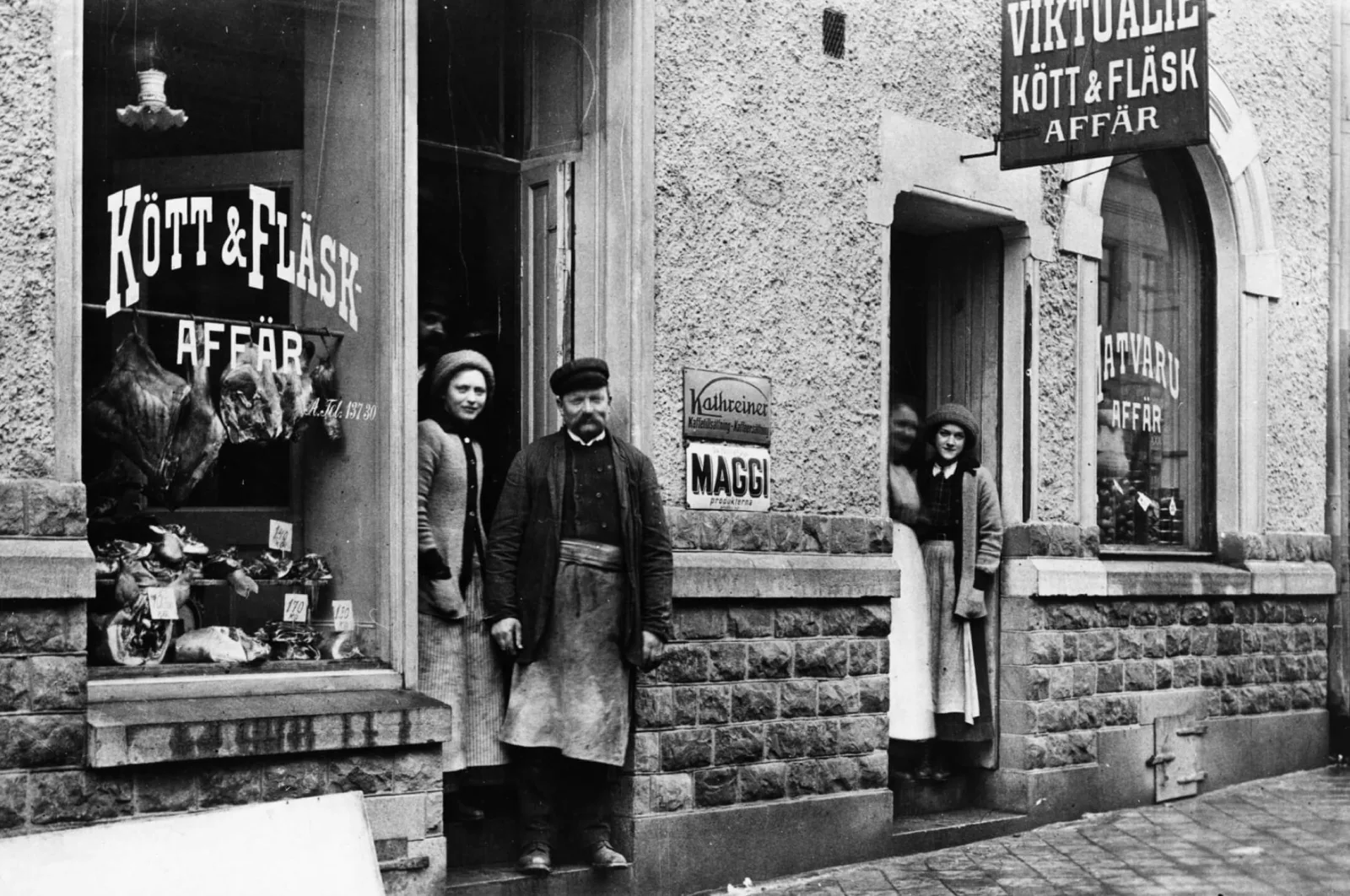
Construction on Tjärhovsgatan 4 began in 1906, first known as Grå Kvarn, named after the grey mill that stood on the site from the early 17th century to 1860. The high ceilings and arched windows were there from the start. Södermalm was then a poor working-class district, and Grå Kvarn was aimed at those who lived here.
Construction on Tjärhovsgatan 4 began in 1906, Söders grå kvarn, for the people who lived here.
More than a century of history1920 – 1940
The social duty
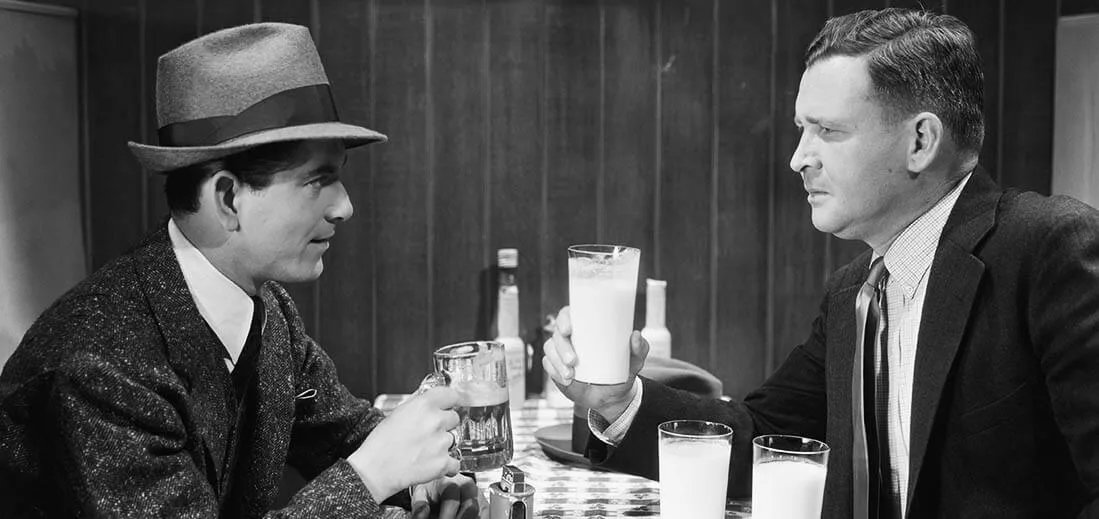
Unemployment is rising. As part of SARA (Swedish General Restaurant Company), Grå Kvarn takes on a social duty, to help those who are in difficulty. Never as a charity; the goal was just to get around. For 60 öre you got a main course, bread, milk and coffee. Thursday's peas, pork and pancakes drew queues out into the street.
The trade union movement is growing. Anyone who doesn't wear a trade union pin has a hard time getting tips, because tips were never expected, they were included in the price.
1940 – 1960
The Tyrolean Orchestra takes the stage
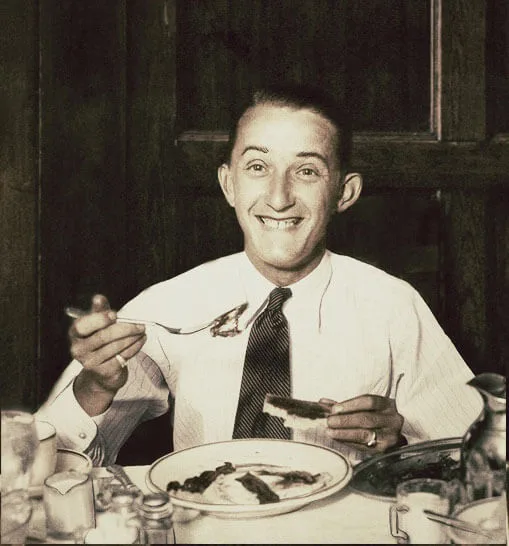
In the late 1940s, Grå Kvarn was renovated, a finer dining room upstairs with crystal chandeliers, parquet floors and white tablecloths, and separate entrances for the different "classes" of the dining room. During the war, food and alcohol were rationed with a counter book.
In 1955 the counterbook was abolished. To compete with the house parties, Grå Kvarn became a Bavarian beer hall with sausages, beer and a Tyrolean orchestra. To wash away the greyness, the name was changed to Kvarnen, but for many it remained "The Grållan".
1960 – 1980
The arrival of art and football
When the German beer hall wave ebbs in the mid 1960s changes Kvarnen traces of an English pub, red linoleum floors, dart boards, brass, green beams and gold-painted walls. And for the first time, women are starting to go out to the pub themselves.
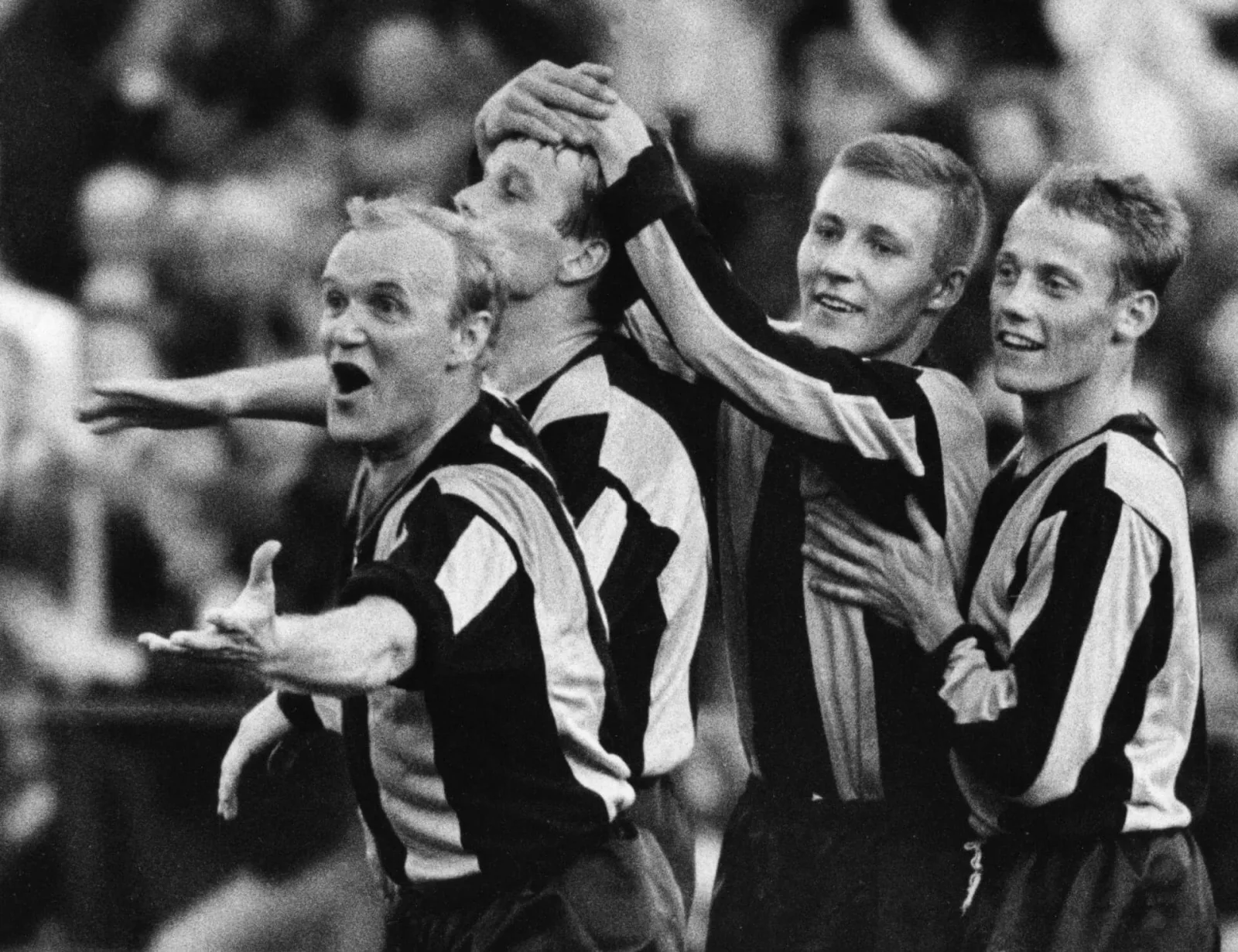
Södermalm becomes home to artists and musicians. Monica Zetterlund always sits in the same place, at the far wall. In the 70s, Kvarnen The natural second arena for Hammarby fans, with the classic of the time, the beer goose.
1980 – 1990
What could have been the last night
Kvarnen is a symbol for the entire South, a little worn, but pleasant and undemanding. The dart is getting a rebirth; Kvarnens Pilkastarflickor become Swedish champions in 1987. Food at half price from 3pm to 6pm every day except Sunday, the queue again stretches out onto the street.
In 1987, SARA sells the restaurant to the Boström brothers who want to turn it into a trendy fine dining restaurant, a fiasco, and Kvarnen is forced to close. Sören Ahlbom and Thomas Ernström from Söderkis buy it, restore everything, and the old guests come back.
1990 – 2000
Let the music play
Kvarnen takes on a clear political character, with meetings and debates at wooden tables about the EU, refugee policy and feminism. All parliamentary parties except the Moderates gather here. In 1998, the Left Party's election vigil is combined with the Hammarby fans' after-party, a success for all involved.
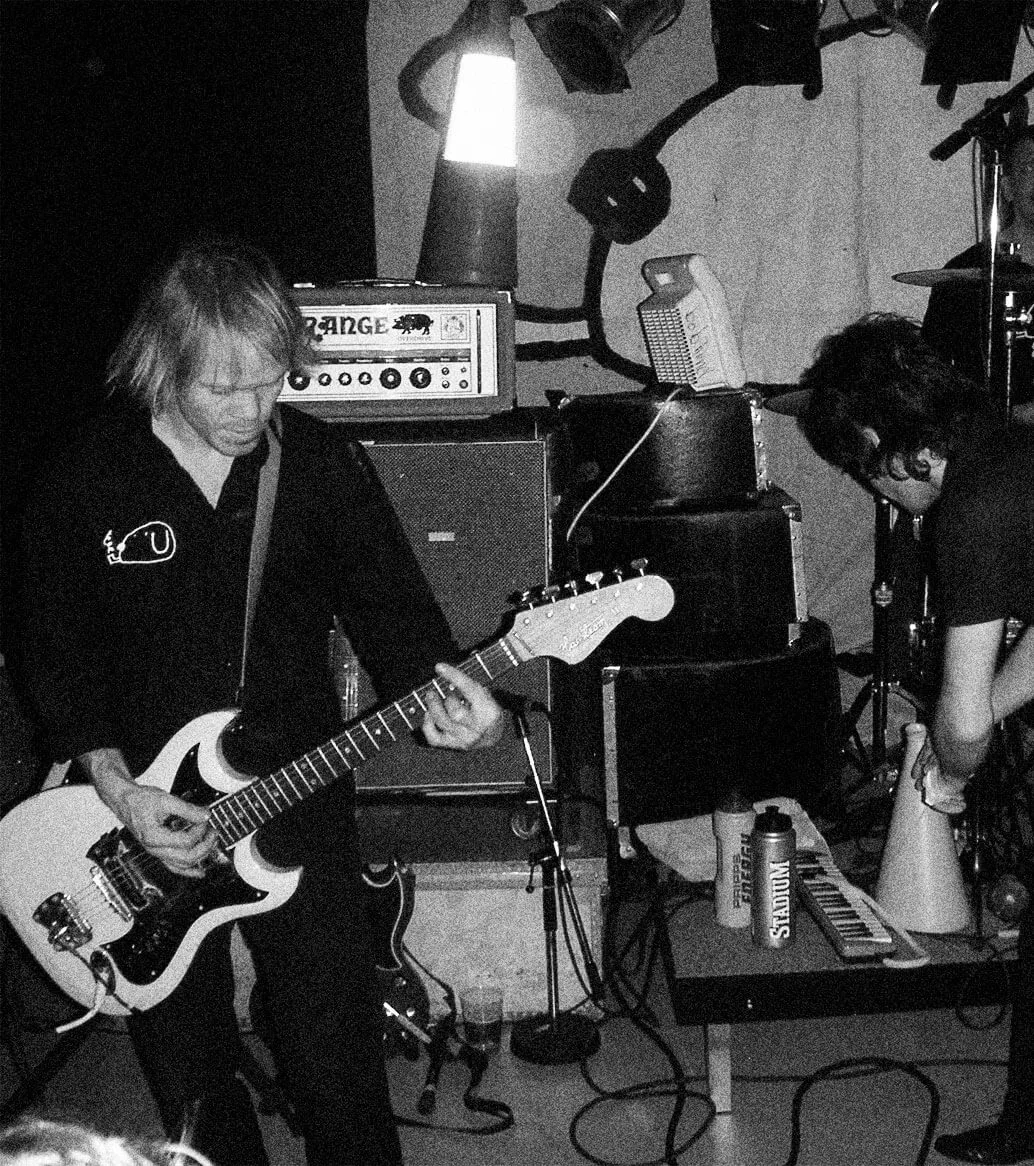
A rehearsal room is set up inside Kvarnen and the tavern becomes a melting pot in Swedish music history, Bob Hund, Atomic Swing, Weeping Willows and Nina Persson rehearse here, and free concerts are held on Tuesdays.
2000 – 2010
A decade of celebrations
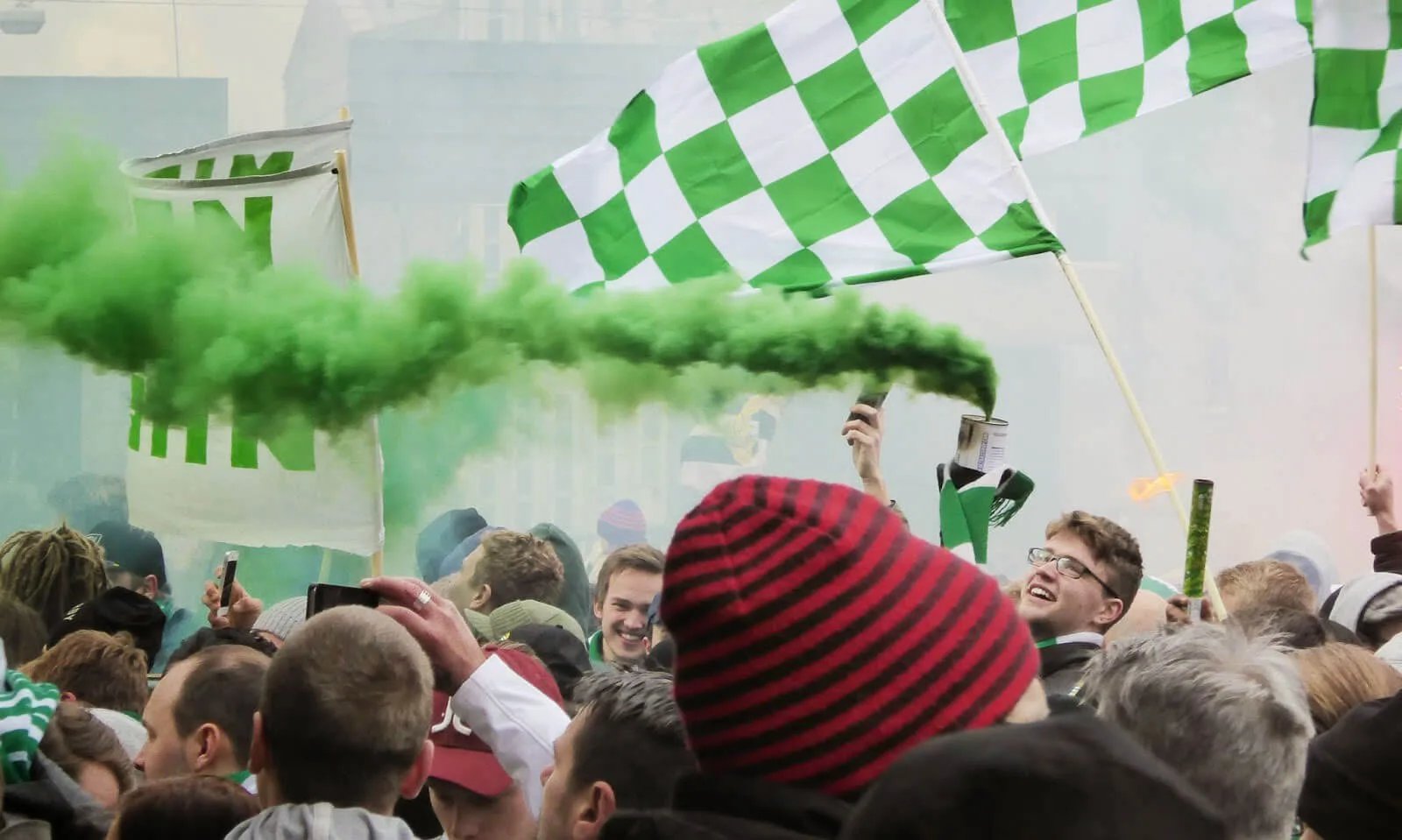
October 21, 2001 Hammarby takes its first Swedish Championship gold in football. The party at Kvarnen going on until late into the night, police have to protect the door from thousands who want to celebrate.
In October 2008, Grå Kvarn will be one hundred years old. Guest of honor: Tomten, a regular who stopped shaving in protest when a tax on shaving services was introduced.
2010 – Now
Towards the next hundred years
In the early 2010s, Belinda hung up her apron after 25 years of first-class service, now immortalized on a painting on the wall. In 2014, a change took place that should lead to as little change as possible.
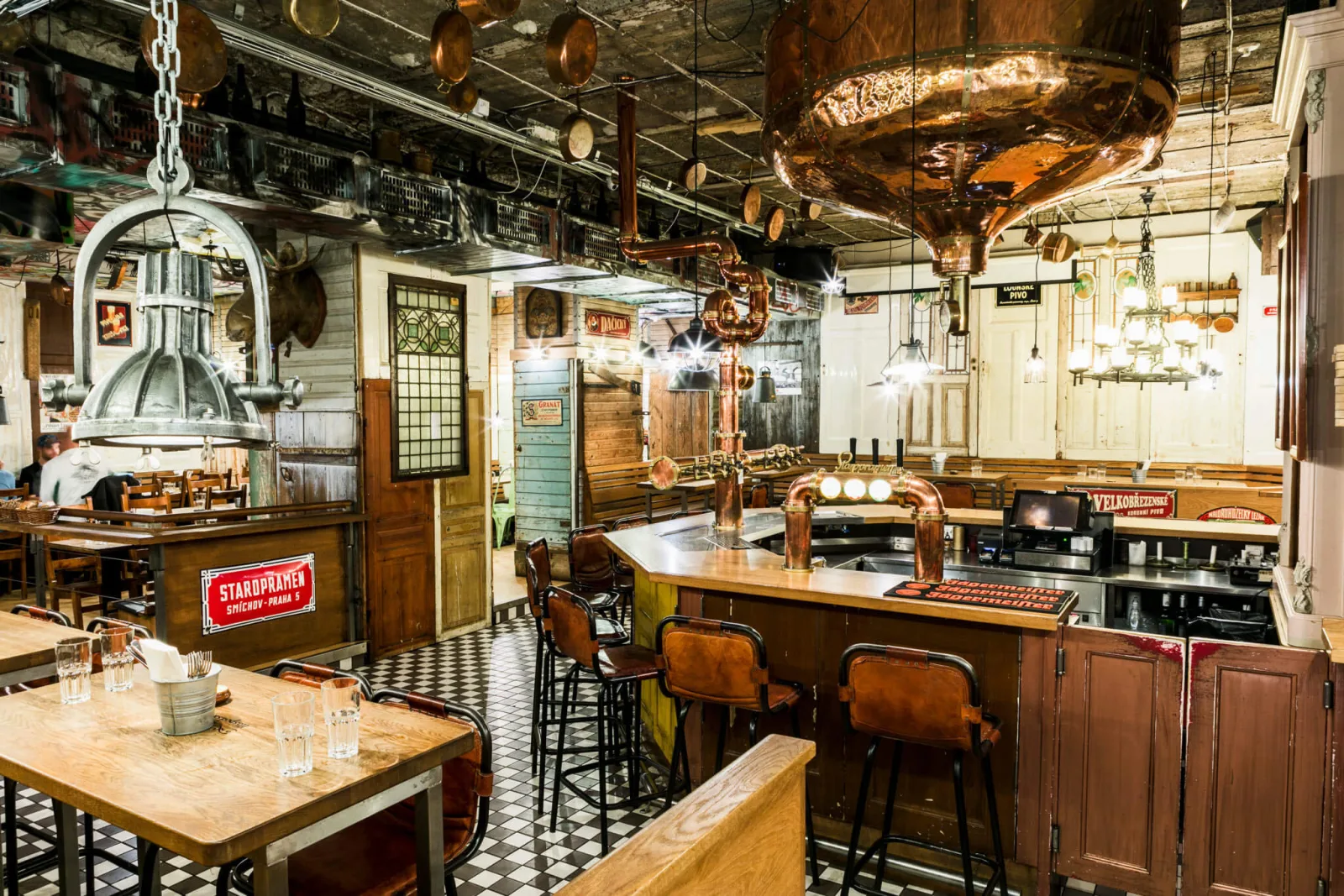
Same quality, same home cooking, same green and white atmosphere. New website, new kitchen for the outdoor terrace and a Czech beer hall, ready for another hundred years. The meatballs are still hand-rolled.
Welcome
to the table.
Whether it's your first time or your thousandth, you're welcome. That's it. Kvarnen always been about.